Article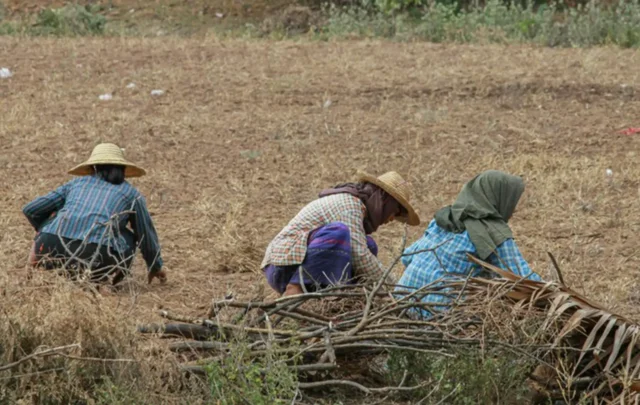
In Brazil, major soy traders are preparing to walk away from one of the country’s most important deforestation safeguards. Launched in 2006, the Amazon Soy Moratorium is a voluntary agreement to not purchase soy grown on land in the Amazon cleared after 2008.
Within just three years of the ASM being introduced, the proportion of soy-driven deforestation in the Amazon fell from 30% to less than 1.5%, even as soy production in the region increased fourfold.
Now, members of the Brazilian Association of Vegetable Oil Industries, representing 20 major trading firms, plan to withdraw. The decision comes after a change in tax rules in Mato Grosso, a key soy-growing state.
The state scrapped tax incentives for companies involved in conservation, making participation less attractive. Major traders such as ADM, Bunge, Cargill, COFCO and Louis Dreyfus are reportedly discussing leaving the pact, Reuters has reported.
Environmental groups such as WWF are warning this is a serious setback. They say it could jeopardize both Brazil’s forests and its international reputation, as global buyers increasingly reject commodities linked to deforestation.
Farmer groups in Mato Grosso have welcomed the shift, arguing the moratorium imposed unfair restrictions beyond Brazilian law.
EU carbon tariff(?)
The European Union’s long-awaited carbon border tax officially came into force on 1st January 2026, marking a major step in Europe’s climate policy. Known as the Carbon Border Adjustment Mechanism, or CBAM, it’s designed to stop cheaper, high-emission imports from undercutting EU industries that already pay for their carbon emissions. The levy applies to sectors including steel, cement, aluminium, and electricity, and could generate over €10bn a year for the EU budget.
But not everyone’s happy. Trading partners including China, India and Brazil have accused the EU of green protectionism, warning it could disrupt trade and increase costs. Some exporters, especially in India’s steel sector, say they are still unclear on how CBAM will work in practice. Yet the policy is already influencing global action, prompting several countries, including China, Brazil, and Japan, to expand their own
carbon pricing systems. The UK plans a similar scheme starting in 2027, though concerns remain about red tape and delayed alignment with the EU.
Climate action unintended consequences
A new Nature Sustainability study warns that heavy-handed climate mandates can actually weaken support for going green, rather than strengthen it. Researchers surveyed more than 3,000 people in Germany and found that rules targeting everyday life often trigger a strong sense of lost freedom, even among people who already care about climate change. The enforced restrictions included limits on meat consumption, thermostat caps, and urban car bans. Opposition to climate mandates was 52% higher than to covid pandemic rules, highlighting the political risks of policies seen as intrusive or controlling.
The researchers stress this does not mean giving up on climate policy, but designing it differently: focus on incentives, attractive alternatives, and higher prices rather than outright bans, and build trust so people feel their values and choices are respected.
Get the food where it’s needed!
Over the past 60 years, global food supplies have grown even faster than the human population, reports organisation Our World in Data.
Since the early 1960s, the world’s population has jumped from about three billion to more than eight billion people. But food availability, measured in calories per person, has risen even more quickly across Africa, Asia, Europe, the Americas and Oceania. That means there’s more food available per person today than at any time in recent history. This increase in food supply has been a major factor in reducing extreme hunger and poverty globally, and the authors call it one of humanity’s most remarkable achievements.
But the story is far from over. Hunger remains a major challenge, especially in sub-Saharan Africa. One of the big challenges now is not just producing more food but producing it more sustainably and resiliently in the face of climate change. Recent reporting shows that initiatives to help smallholder farmers adapt to extreme weather are gaining traction. The Gates Foundation recently announced a $1.4bn investment to support smallholder farmers. The goal is to boost productivity while also strengthening resilience to climatic shocks, a crucial piece of the puzzle for food systems in the decades ahead.
Author details

 Agriculture


 Podcast